Skip to content
Roof Inspection ExeterExeter · Devon and the wider South West

Exeter and around

Seven places on a roof. One inspection that actually checks them all.

An Exeter based roof inspection that works through tiles and slates, ridges and hips, flashings, valleys, chimney stacks, gutters and flat roofs, before it gets anywhere near which piece of kit does the looking. The drone is how the ground gets covered. The written report is what you are actually paying for.

  • CAA registered operator, Flyer ID and Operator ID held
  • Fixed price agreed before the visit
  • Written report within 48 hours
  • No scaffolding, no ladders against the house
Roof inspection diagram: tiles, ridge and hips, valley, flashings, chimney stack, gutter and a flat roof section1234567
  1. Tiles and slatesThe field of the roof, covering and fixings
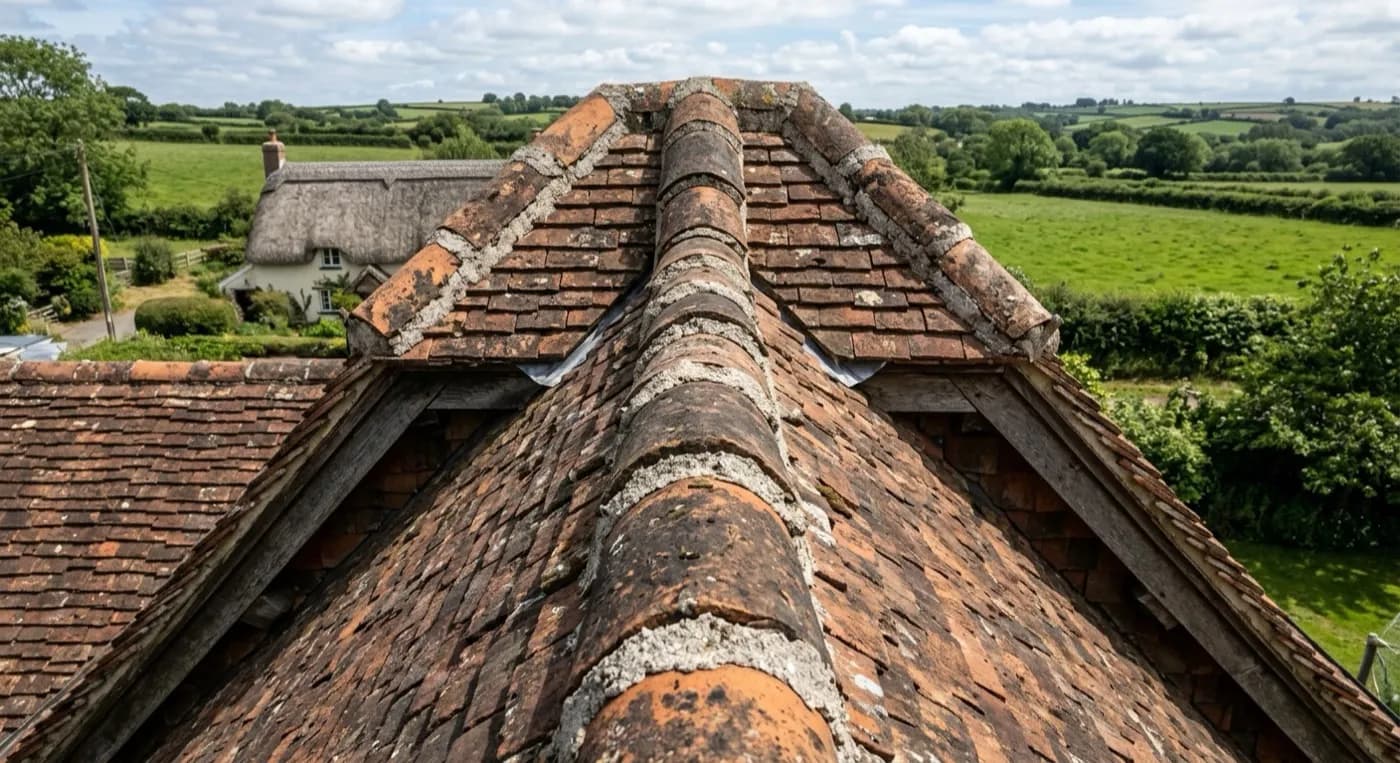
  2. Ridges and hipsBedding and fixings where the planes meet at the top
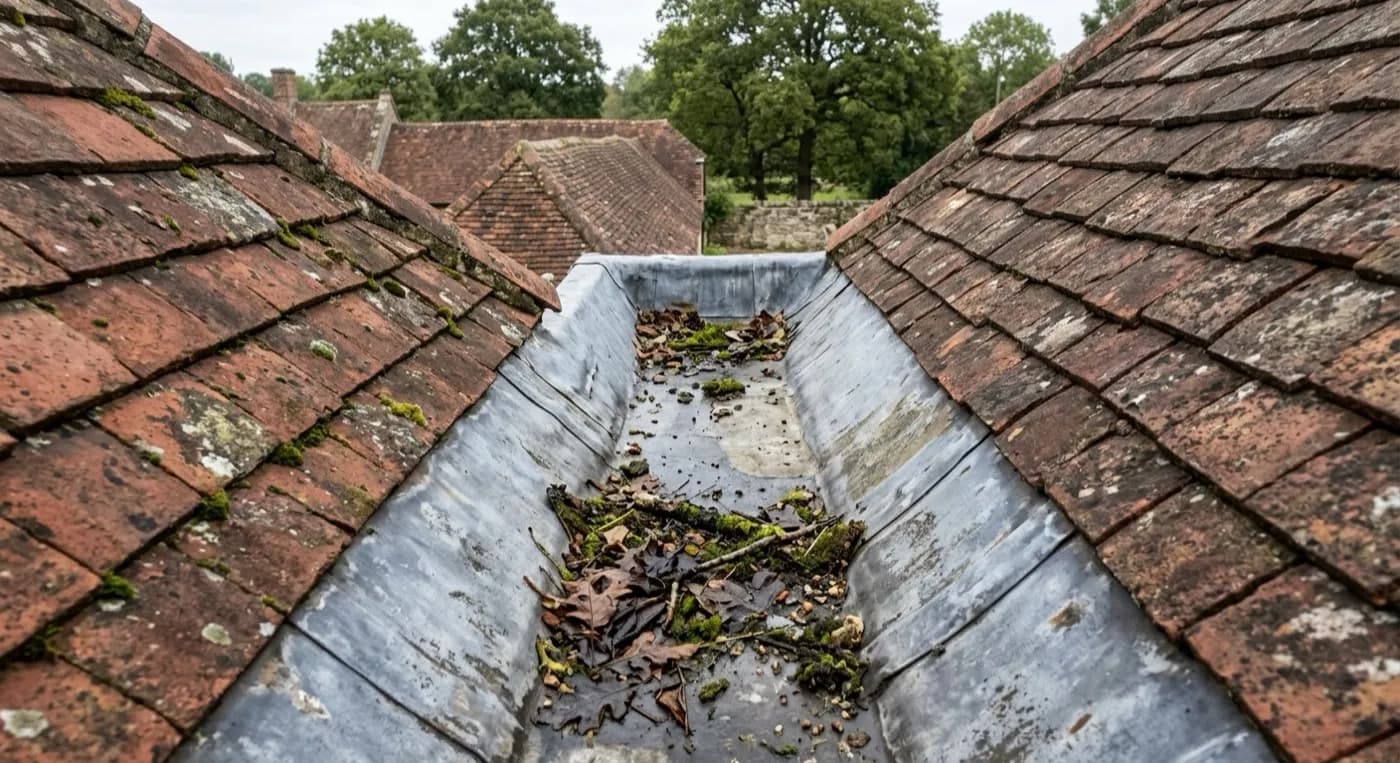
  3. ValleysWhere two slopes meet and water concentrates
  4. FlashingsThe lead or flexible detail sealing every junction
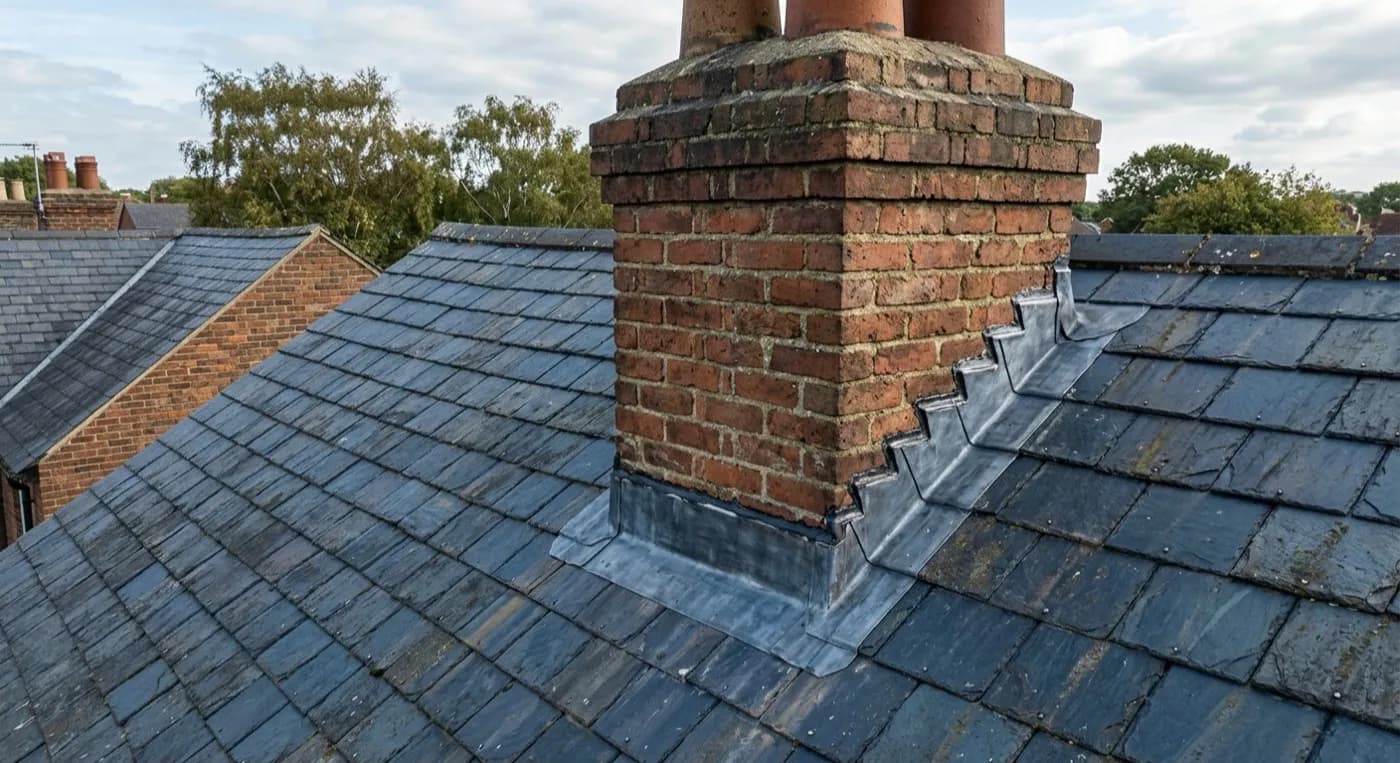
  5. Chimney stacksFlaunching, pointing and the flashing at the base
  6. Gutters and outletsWhere water is meant to leave, and where it backs up
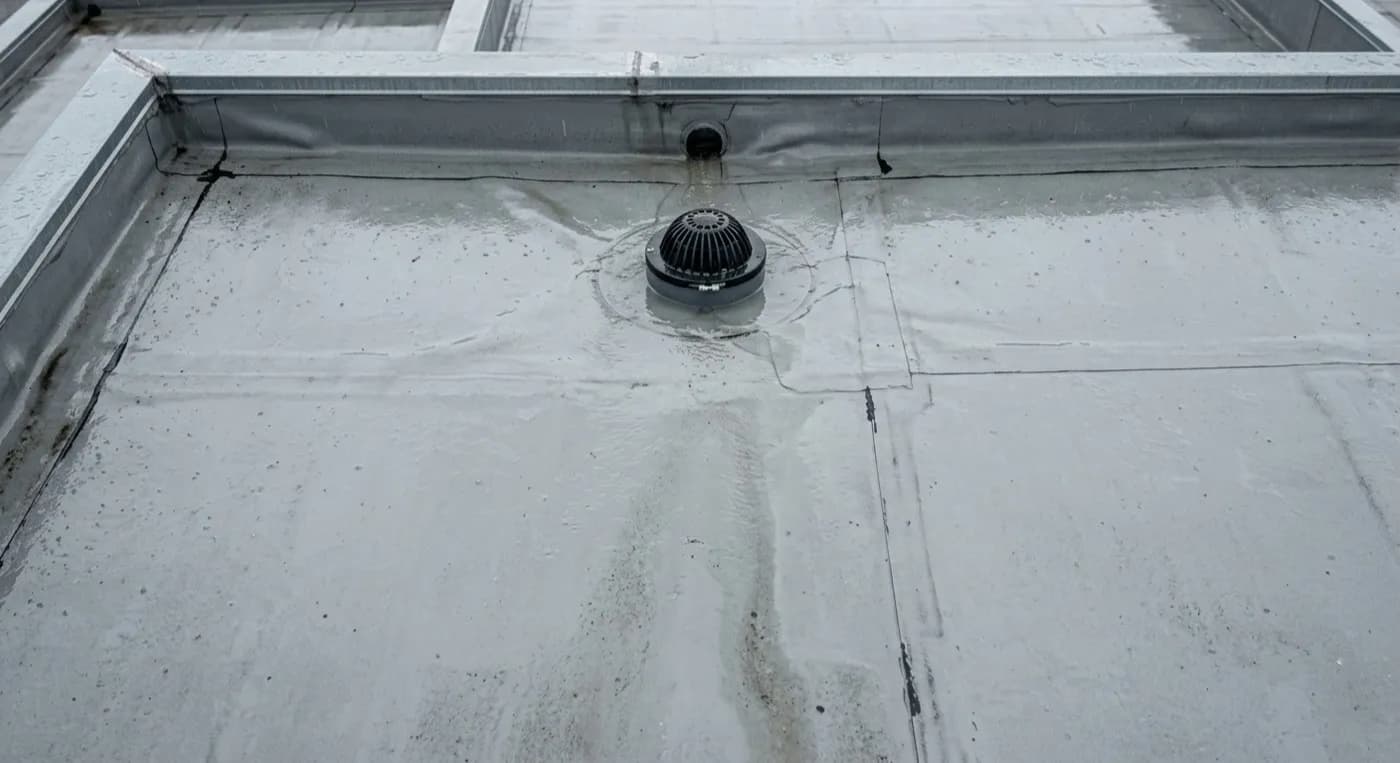
  7. Flat roofsMembrane condition and ponding on any flat section

The actual problem

Most people start with the wrong question

The question that usually gets asked first is which company, which van, which piece of kit. That is the wrong question to start with, because it skips past the part that actually decides whether the answer is any good: what is a roof inspection meant to look at, and has this one actually looked at all of it.

A roof has seven places that fail in different ways for different reasons: the tiles or slates themselves, the ridge and hips, the valleys, the flashings, the chimney stacks, the gutters and outlets, and any flat section. Miss one because the ladder could not reach it, or because nobody thought to ask, and the report reads as complete when it is not.

This site is built around the inspection first. The aircraft is how the ground gets covered without a scaffold going up, but it is not the reason to book. The reason to book is that all seven places actually get looked at, and the written report says so plainly, one way or the other.

What gets checked

The inspection, and the two situations it usually gets booked for

One inspection, covered properly. What changes is why it is being booked and who ends up reading the report.
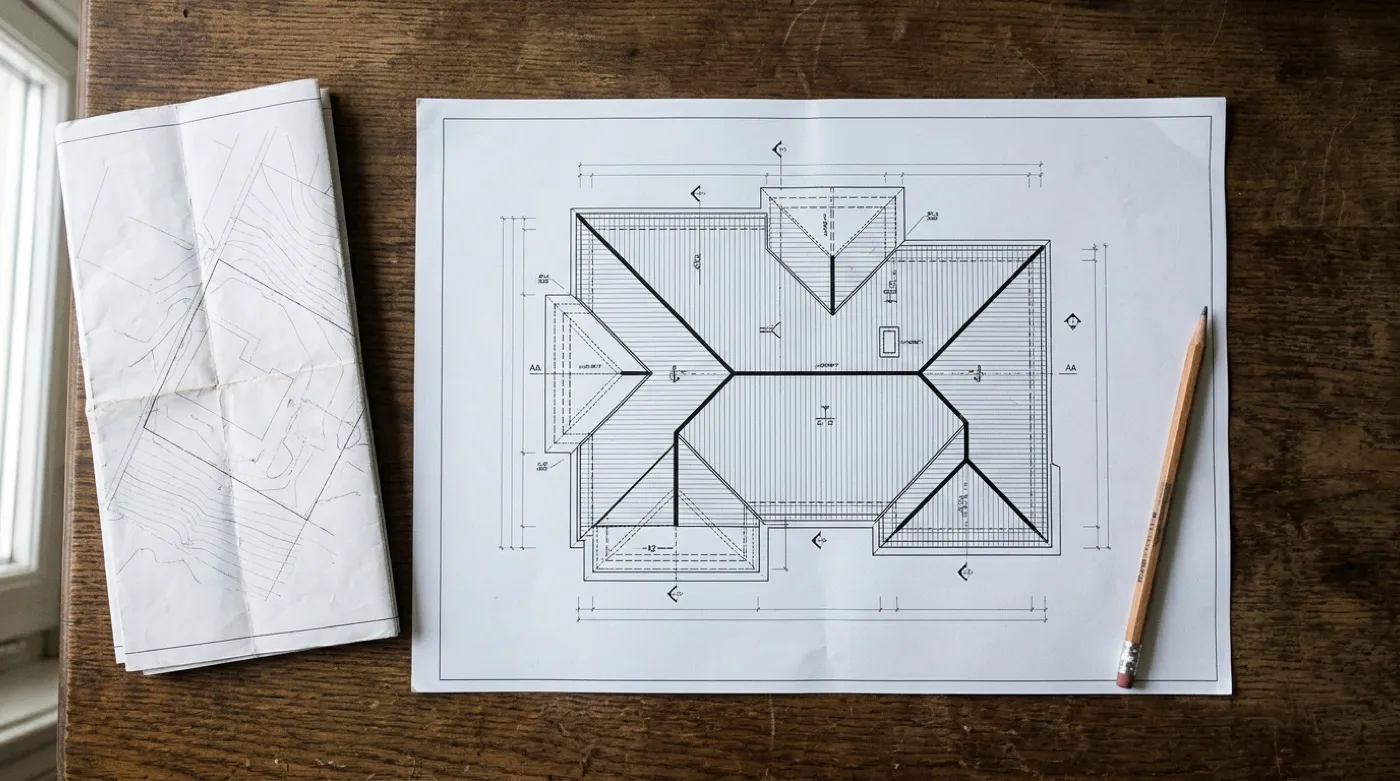
A printed diagram of a roof with labelled inspection points, resting on a desk

The Inspection

Seven areas of a roof, checked in the same order on every visit, then written up in plain language within 48 hours. The drone is how the ground gets covered.

The Inspection
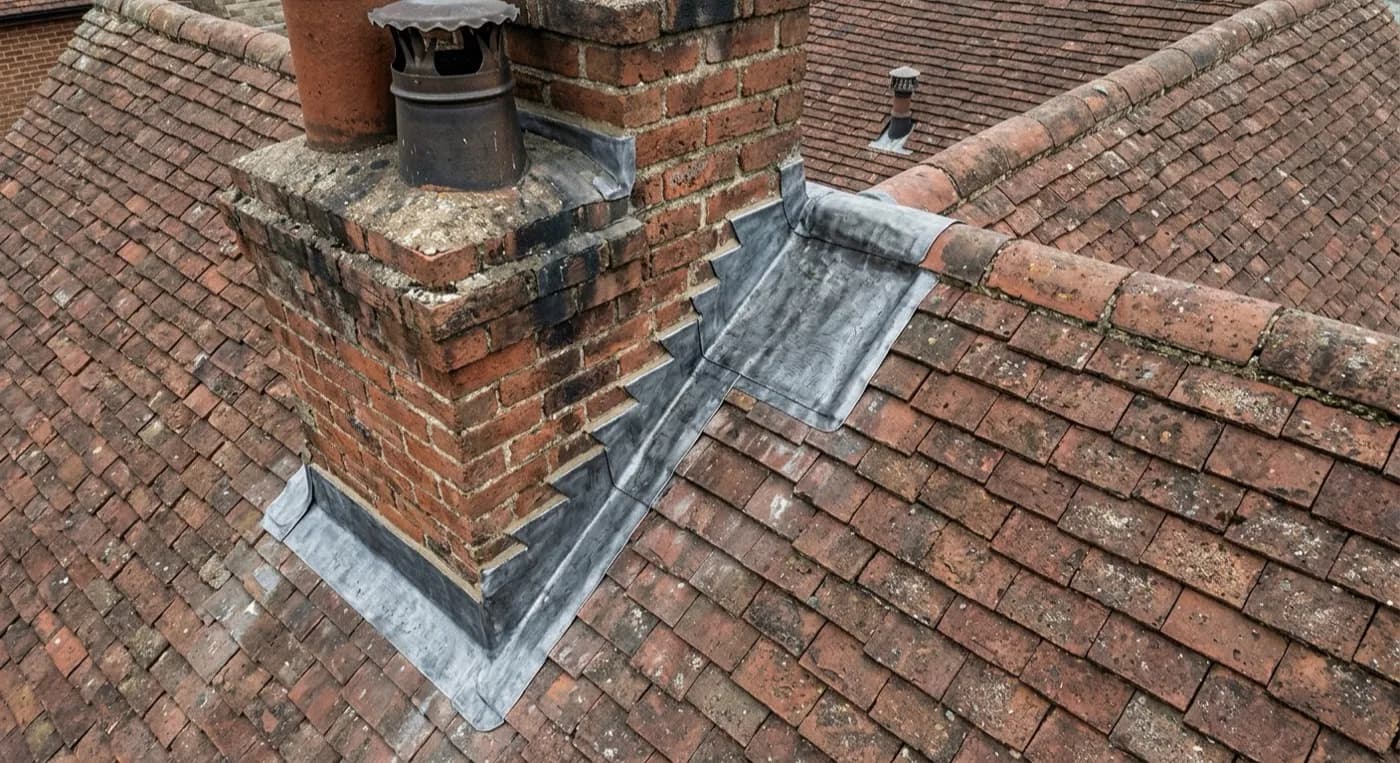
A lead flashing detail on a roof abutment photographed close, showing the join between two materials

For Buyers and Sellers

Inspection work timed around a transaction: before you offer, before you list, or when a survey has already flagged something that needs a closer look.

Buyers and Sellers

Credentials

What sits behind the survey

Seven areas, checked in order

Tiles and slates, ridges and hips, valleys, flashings, chimney stacks, gutters and outlets, and any flat section, checked in the same order on every property where they apply.

CAA registered

Operator ID and Flyer ID held, plus the A2 Certificate of Competency. Every flight is planned to the rules that apply to the site, and the paperwork is available before the visit if a solicitor, agent or insurer needs it.

100 megapixel camera

A DJI Mavic 4 Pro with a Hasselblad camera and 6K video. The resolution is what lets the inspection stand off the building at a safe distance and still show a hairline crack in a single tile.

Insured with Coverdrone

Full commercial cover for the operation. Certificates go to solicitors, agents and insurers as a matter of course, without anyone having to chase for them.

What you get
A written record you can hand to whoever needs to see it

The flight itself takes under an hour on most houses. The report is the part that takes the care, and it is the part you are actually paying for.
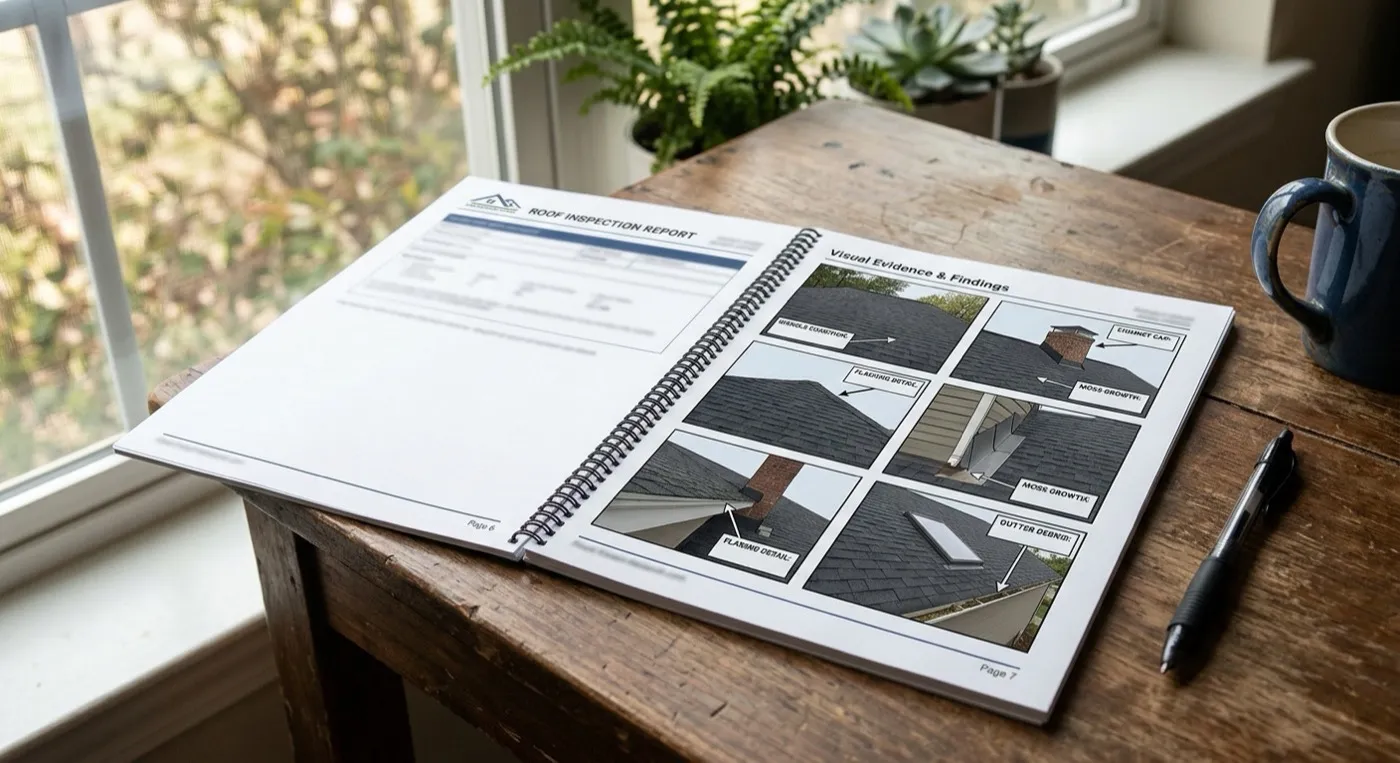
  • Every one of the seven checked areas covered, named individually
  • Close, annotated images of anything found, with a note on where it is
  • A plain description of each item and how urgent it looks
  • A clear statement where something could not be assessed, and why
  • The full resolution originals, so a roofer can zoom in for themselves
  • Delivered by email within 48 hours of the visit
A printed roof inspection report open on a desk beside a pen and a folded site plan

What it looks like

The kind of detail a ground level look does not reach

Ordinary on the day it is photographed. Expensive a year later if nobody had looked.
Close view of a hip roof ridge line with mortar bedding on the ridge tiles
A lead valley gutter between two roof slopes on a tiled roof
A brick chimney stack with lead flashing at the base where it meets the roof slope
A flat roof section with a single ply membrane and a rainwater outlet

Where this covers

Exeter's own districts first, then a tighter ring around them

Every area below has its own page, written around the housing actually built there rather than the same paragraph with the name changed.

Questions

Questions we get asked

What actually gets checked?
Seven areas where they apply to the property: tiles and slates, ridges and hips, valleys, flashings, chimney stacks, gutters and outlets, and any flat roof section. The report names each one and says what was found, including where nothing was.
Do I need to decide how the inspection is carried out?
No. The inspection is booked around what needs checking, not around a particular piece of equipment. A drone is how the ground normally gets covered without scaffolding or a ladder, but the starting point is always the seven areas, not the aircraft.
Do I need to be there?
No. Plenty of inspections are booked by owners who live elsewhere, or by a buyer who has not exchanged yet. All that is needed is somewhere lawful to take off and land, and permission to be on site. If you want to watch, that is welcome too.
What if the weather turns?
The visit moves. Rain on the lens ruins the imagery and strong wind ruins the stability, so an inspection carried out in bad conditions is not worth having. Rescheduling for weather is normal and costs nothing.
Can this cover terraced streets and conservation areas?
Usually yes. The A2 Certificate of Competency allows closer operation near buildings and people than the basic category, which is what makes the tighter streets in Exeter's own districts workable. Some addresses are restricted by airspace, which is checked before the booking is confirmed rather than on the day.
What do I get at the end?
A written report within 48 hours, covering each of the seven areas that applied to the property, with annotated photographs, a note on how urgent anything found looks, and the full resolution images so a roofer can zoom in for themselves.
Is the report enough for a solicitor, surveyor or insurer?
It gives them dated, photographed evidence of the condition on the day it was recorded, which is usually what gets asked for first. It is not a structural survey and does not price a repair, and it says so rather than implying otherwise.
How much does an inspection cost?
It is a fixed price agreed before the visit, based on the address and the size of the roof. Send the address and what needs checking and the figure comes back rather than a range.

See what's checked

Book an inspection with Roof Inspection Exeter

Tell us the address and what you need looking at. Sam Hembury will come back with a fixed price and the next available slot.

Call 07576 546905Book an inspection